A bold headline began circulating across social media and speculative finance blogs: Elon Musk Just Became the First Person Ever Worth $600 Billion.” The claim was stunning, even by Musk’s standards. It suggested a level of wealth never before reached in modern history, surpassing not only current billionaires but also the most inflation-adjusted fortunes of past industrial titans.
The problem is simple: it isn’t true.

This investigative report examines where the $600 billion claim came from, how it spread so quickly, why it felt believable to many readers, and what it reveals about the way wealth, hype, and misinformation intersect in the digital age.
The Origins of the $600 Billion Claim
The claim did not originate from a regulatory filing, a reputable financial publication, or a verified wealth index. Instead, it appeared first in loosely sourced posts that relied on speculative math, optimistic projections, and hypothetical valuations.
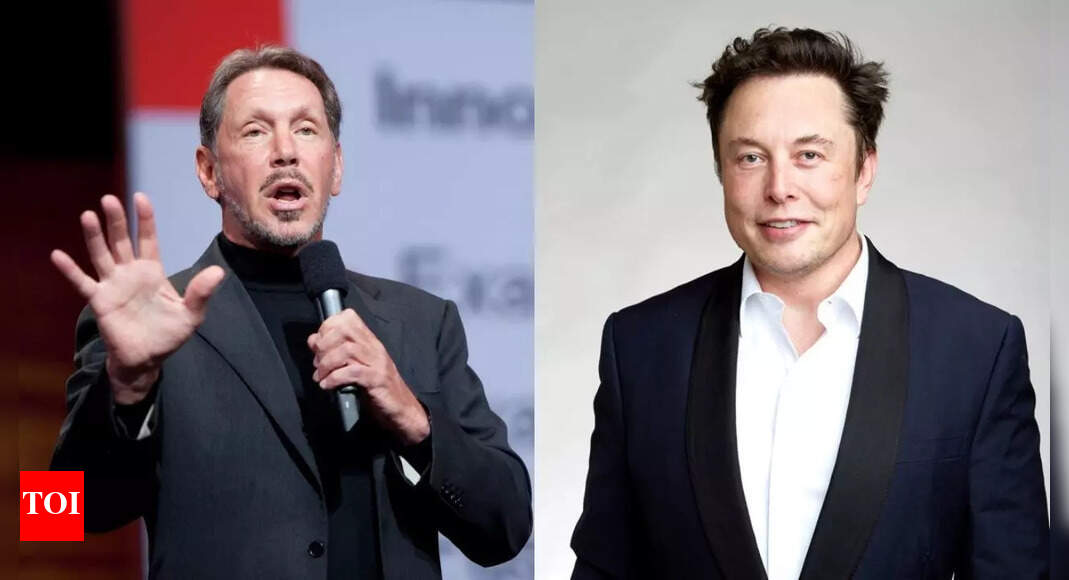
Most versions of the claim followed a similar formula:they combined Elon Musk’s estimated stakes in Tesla, SpaceX, xAI, X (formerly Twitter), and other ventures, then extrapolated future valuations as if they were already realized cash assets.
In some cases, the calculation included potential IPO valuations, paper gains, and even assumed control premiums that Musk does not actually possess in liquid form. These numbers were then stacked together without accounting for ownership dilution, debt, taxation, or market volatility.
The result was a headline-friendly figure that looked impressive—but collapsed under scrutiny.
Net Worth vs. Hypothetical Wealth
To understand why the $600 billion figure is misleading, it’s essential to distinguish between net worth,paper valuation, and hypothetical future wealth.
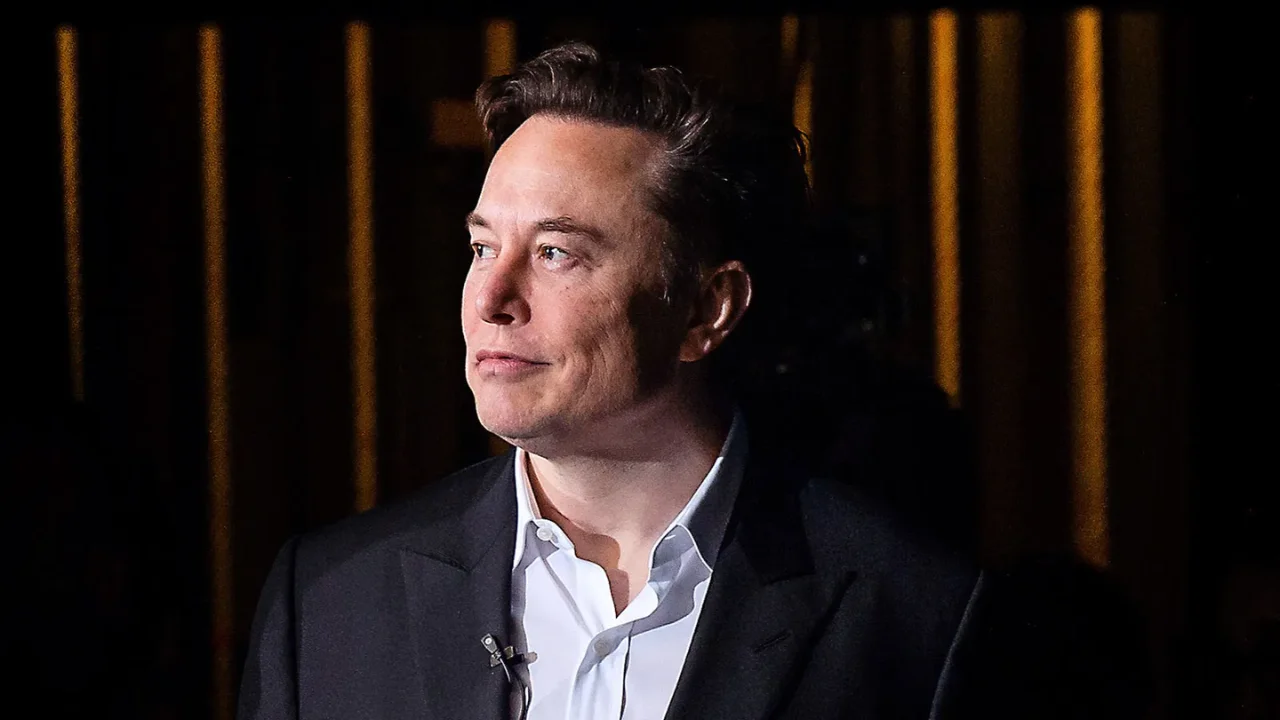
Net worth, as calculated by major indices, is based on verifiable ownership stakes multiplied by current market valuations, adjusted for known liabilities. It is not a prediction of what assets might be worth someday, nor does it assume perfect liquidity.
Much of Elon Musk’s wealth is tied to illiquid assets. SpaceX, for example, is a privately held company whose valuation fluctuates based on internal funding rounds rather than open-market trading. Even Tesla stock, while publicly traded, cannot realistically be sold in massive quantities without affecting its price.

Claims of $600 billion often blur these distinctions, treating speculative future value as present reality.
What Reputable Wealth Trackers Say
As of the most recent verified estimates, Elon Musk remains the world’s richest individual, but his net worth fluctuates significantly with market conditions. Major trackers consistently place his wealth far below the $600 billion mark.
Even at historical peaks, Musk’s net worth has hovered in the low-to-mid hundreds of billions, not anywhere near six hundred. No reputable financial authority has confirmed, endorsed, or even suggested such a figure.
The absence of confirmation is itself telling. A milestone of that magnitude—doubling the wealth of any human in history—would not go unreported by mainstream financial media.

Why the Claim Felt Believable
Despite its inaccuracy, the $600 billion claim resonated with many readers. That reaction reveals more about perception than finance.
Elon Musk occupies a unique cultural position. He is not just wealthy; he is associated with industries—electric vehicles, space exploration, artificial intelligence—that are widely perceived as transformative and future-defining. This makes extreme projections feel plausible, even inevitable.
Additionally, Musk’s net worth has historically experienced dramatic swings. When Tesla stock surged in the past, his wealth increased by tens of billions in a matter of weeks. That volatility conditions audiences to accept eye-watering numbers without pause.
In this context, $600 billion sounded like “the next step,” rather than an extraordinary claim requiring extraordinary evidence.
The Role of Engagement Economics
Social media platforms reward boldness, not accuracy. A headline claiming Musk reached $600 billion generates clicks, debate, and reposts—regardless of whether it is true.Some accounts that amplified the claim framed it as breaking news. Others hedged with language like “estimated,” “on paper,” or “could be worth,” while still leading with the definitive number. This strategic ambiguity allows misinformation to spread while preserving plausible deniability.

Once the figure entered circulation, it took on a life of its own. Posts cited other posts. Blogs referenced viral tweets. The original lack of sourcing became harder to trace as repetition replaced verification.
Historical Context: No One Has Reached $600 Billion
To put the claim in perspective, even the wealthiest individuals in history fall far short of $600 billion when measured responsibly.
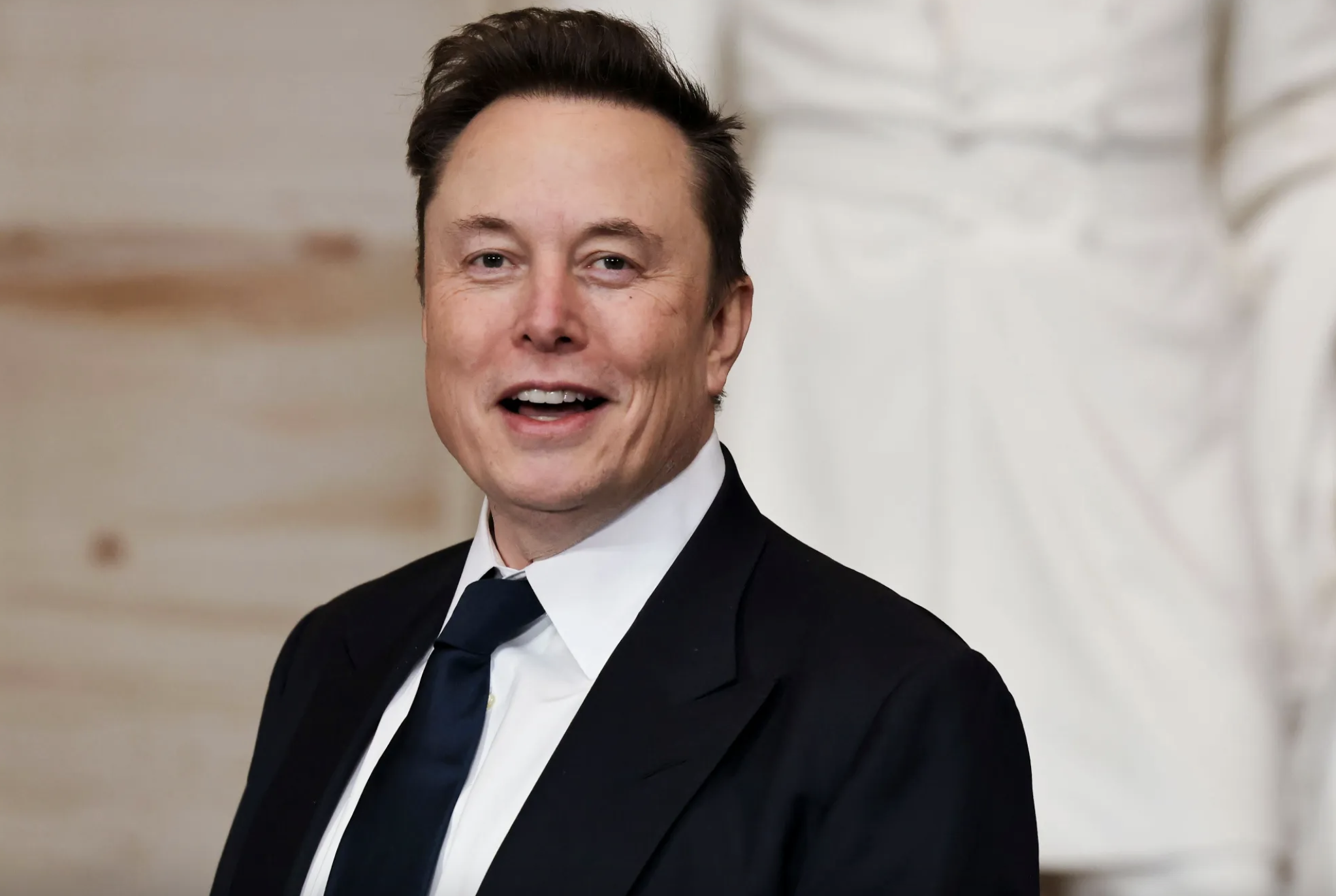
Industrialists like John D. Rockefeller are sometimes cited as having fortunes that would exceed $400 billion in today’s dollars, depending on methodology. Even those estimates are debated among historians and economists.
Crossing the $600 billion threshold would represent not just a new record, but a structural shift in how wealth accumulates globally. Such a development would have enormous economic and political implications—and would not happen quietly.
Musk’s Own Relationship With Wealth Narratives
Interestingly, Elon Musk himself has often downplayed personal wealth, emphasizing reinvestment and long-term projects over personal consumption. He has publicly stated that most of his wealth is tied up in companies he believes are important for humanity’s future.
That narrative—whether one agrees with it or not—has contributed to the mythologizing of his fortune. Wealth becomes symbolic, a measure of vision and influence rather than bank balances.
The $600 billion claim fits neatly into that mythology, even if it does not fit reality.
The Danger of Inflated Numbers
At first glance, exaggerating a billionaire’s wealth may seem harmless. But inflated figures distort public understanding of economics, inequality, and power.
When numbers become untethered from reality, meaningful discussions about taxation, corporate influence, and market regulation become harder. People argue against fantasies instead of facts.
There is also reputational risk. Persistent false claims can undermine credibility, making it easier for genuinely important financial disclosures to be dismissed as hype.
Fact vs. Fiction in the Attention Economy
The claim that Elon Musk became the first person worth $600 billion is a case study in how modern misinformation works. It does not rely on outright fabrication so much as aggressive extrapolation, selective assumptions, and strategic presentation.
By the time corrections appear, the headline has already done its work.
Conclusion: Extraordinary Claims Still Require Evidence
Elon Musk has achieved extraordinary financial success, and his influence on technology and industry is undeniable. But as of now, he has not become the first person worth $600 billion.
The persistence of this claim reveals less about Musk’s actual wealth and more about the dynamics of attention, speculation, and belief in the digital era. In a world where numbers travel faster than nuance, even wealth can become a work of fiction.