WASHINGTON — With the expiration of expanded Affordable Care Act subsidies approaching, millions of Americans could soon face higher health insurance premiums, renewing debate over health care affordability and the federal government’s role in addressing rising costs.
The enhanced subsidies, which were introduced to lower monthly premiums for consumers purchasing insurance through ACA marketplaces, are scheduled to expire at the end of the year. According to estimates from the Kaiser Family Foundation, about 24 million people currently benefit from the assistance, and many could see significant premium increases if Congress does not act.
Trump Downplays Concerns
President Donald Trump has sought to temper public concern over the issue. In an interview last week with Politico, Trump pushed back when asked about the financial strain higher premiums could place on families already managing end-of-year expenses.

“Don’t be dramatic,” the president said, interrupting the question.
Later, when reporters asked about the impact of expiring subsidies on millions of Americans, Trump again minimized the issue, suggesting that it was being overstated, while criticizing the framing of the question.
Congressional Uncertainty
The looming deadline has placed pressure on Republican leaders in Congress, who have been weighing whether to extend the subsidies or pursue alternative approaches. Several lawmakers have indicated they are awaiting clearer direction from the White House.
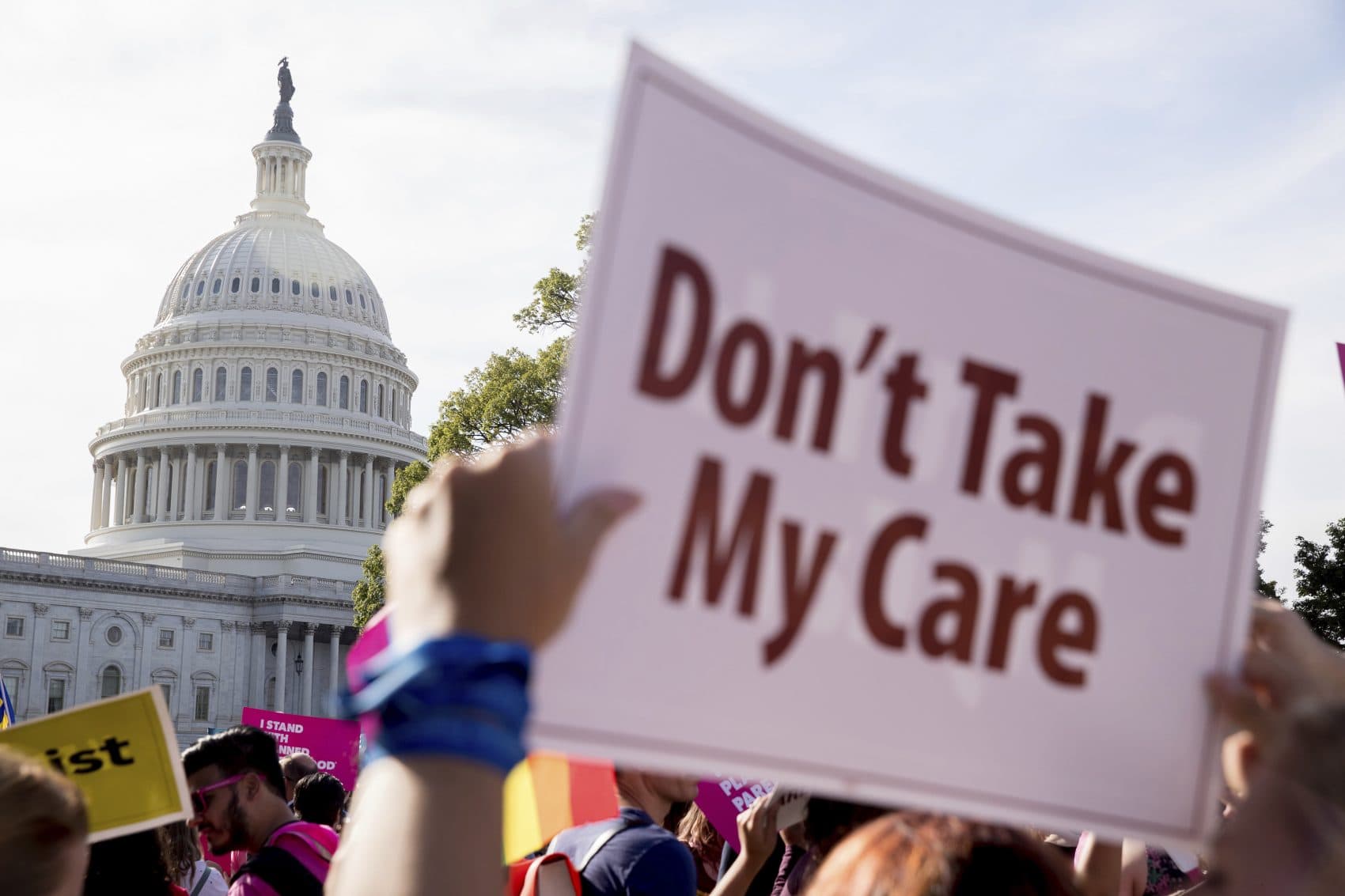
Administration officials had previously explored a potential policy response, but the plan was not formally introduced after facing resistance from congressional Republicans, according to people familiar with the discussions.
Health policy experts note that the expiration of subsidies could result in premium increases of 50% or more for some consumers, particularly those with moderate incomes who do not qualify for other forms of assistance.
Broader Cost Pressures
The health care debate comes amid continued concerns about the cost of living, including housing, food, and medical expenses. Analysts warn that higher insurance costs could prompt some consumers to reduce coverage or leave the insurance market altogether.
While the administration has the option to propose legislative solutions or encourage congressional action, no formal plan has been announced as the deadline approaches.

Health care affordability is expected to remain a central issue in Washington in the coming weeks as lawmakers consider next steps.
Sources: Politico; Kaiser Family Foundation; Congressional Budget Office